How Malaysian Businesses Can Prepare for the 2026 Sustainability Regulations: A Step-by-Step Guide
Introduction
Malaysia is accelerating its commitment to sustainability, with the government set to enforce stringent 2026 Sustainability Regulations aimed at reducing environmental impact and promoting ethical business practices. For businesses, this means adapting operations, supply chains, and reporting frameworks to meet compliance standards. In this guide, we’ll explore how Malaysian businesses can proactively prepare for these regulations while leveraging Surplusloop’s circular economy expertise to unlock cost savings, enhance brand reputation, and future-proof operations.
Why Sustainability is No Longer Optional
The Malaysian government has made it clear that sustainability is a key focus area moving forward. With ambitious targets such as achieving net-zero emissions by 2050 and reducing the national carbon footprint by 45% within the next five years, businesses must align their operations with these environmental goals. Failure to comply could result in penalties, reputational damage, and missed opportunities in an increasingly eco-conscious market.
Moreover, sustainability is no longer seen as a cost center—it’s a growth driver. Studies show that incorporating sustainability into operations can enhance efficiency, improve brand reputation, and unlock access to new markets. Companies that embrace these principles early will position themselves as leaders in their industries.
The Role of Carbon Tax in Malaysia’s Economy
One of the most significant drivers of sustainability in Malaysia is the introduction of the carbon tax. Set to be implemented in phases, the carbon tax will directly impact businesses across all sectors by imposing fees on carbon emissions. This policy is designed to:
Encourage companies to adopt cleaner technologies and reduce their carbon footprint.
Generate revenue for the government to fund green initiatives and renewable energy projects.
Align Malaysia with global climate commitments, such as the Paris Agreement.
For businesses, the carbon tax is a double-edged sword. While it increases operational costs for high-emission industries, it also creates opportunities for innovation and cost savings through energy efficiency and carbon offset programs. Companies that proactively reduce their emissions will not only avoid hefty taxes but also gain a competitive edge in a market increasingly driven by sustainability.
Understanding the 2026 Sustainability Regulations
The upcoming regulations will mandate:
Reduction of carbon emissions across industries.
Waste management reforms, including stricter recycling and landfill diversion targets.
Transparent ESG (Environmental, Social, Governance) reporting for public and private enterprises.
Adoption of circular economy principles to minimize resource extraction and waste.
Non-compliance could result in fines, operational restrictions, or reputational damage. Proactive preparation is critical to avoid disruptions.
5 Steps to Prepare for the 2026 Sustainability Regulations
1. Conduct a Sustainability Audit
Begin by assessing your current environmental impact. Identify areas like energy consumption, waste generation, and supply chain inefficiencies. Tools like Surplusloop’s AI-driven analytics platform can streamline this process, offering actionable insights tailored to Malaysian industries.
2. Integrate Circular Economy Practices
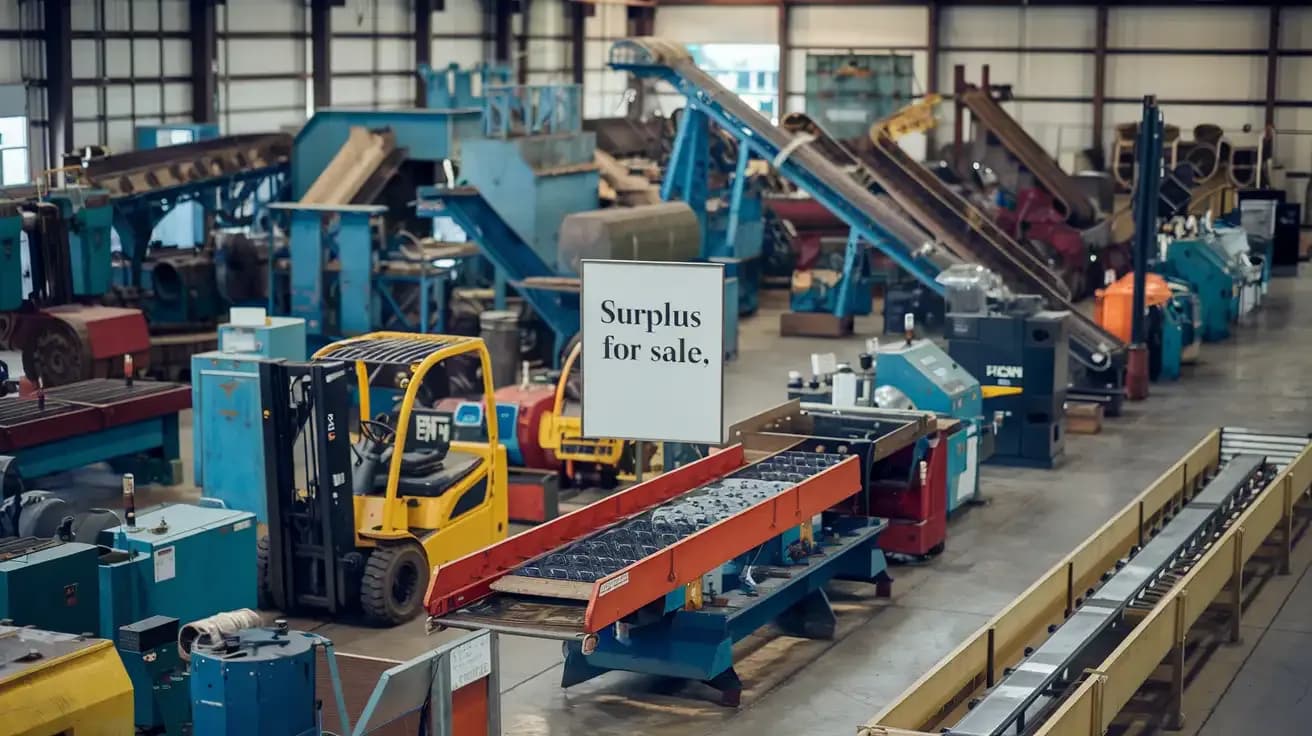
Transitioning from a linear “take-make-waste” model to a circular economy is no longer optional. Surplusloop specializes in connecting businesses with pre-owned industrial equipment, surplus materials, and recycling partners to help you:
Reduce procurement costs by up to 40%.
Minimize waste sent to landfills.
Meet regulatory targets for resource efficiency.
3. Invest in Renewable Energy and Efficiency
Malaysia’s regulations will prioritize carbon footprint reduction. Consider:
Installing solar panels or purchasing renewable energy certificates (RECs).
Upgrading to energy-efficient machinery (available via Surplusloop’s platform).
4. Develop Robust ESG Reporting Frameworks
Accurate sustainability reporting is key to compliance. Surplusloop partners with businesses to:
Automate data collection for Scope 1, 2, and 3 emissions.
Generate audit-ready reports aligned with global standards (GRI, SASB).
Highlight progress in waste reduction and circular initiatives.
5. Train Employees and Engage Stakeholders
Build a culture of sustainability through workshops and clear communication. Surplusloop offers custom training modules on circular economy best practices to empower your team.
Why Partner with Surplusloop?
As Malaysia’s leading platform for sustainable business solutions, Surplusloop provides:
Circular Economy Platform: Source affordable pre-owned equipment, trade surplus materials, and connect with recycling partners.
Sustainability Reporting Tools: Simplify compliance with intuitive dashboards and expert guidance.
Cost Savings: Reduce procurement and waste management expenses by up to 50%.
Regulatory Expertise: Stay ahead of policy changes with updates tailored to Malaysian businesses.
By partnering with Surplusloop, companies gain a competitive edge while contributing to Malaysia’s national sustainability goals.
Case Study: How a Malaysian Manufacturer Achieved Compliance
A Johor-based electronics manufacturer reduced its landfill waste by 65% in 12 months using Surplusloop’s circular economy network. By reselling excess materials and adopting refurbished machinery, they cut costs by RM 1.2 million annually and streamlined their ESG reporting process.
Conclusion
The 2026 Sustainability Regulations and the introduction of the carbon tax are catalysts for positive change, pushing Malaysian businesses to innovate and adopt sustainable practices. By starting early, leveraging circular economy strategies, and partnering with Surplusloop, companies can turn compliance into a competitive advantage.
Ready to future-proof your business? Visit Surplusloop today to explore our platform, reporting tools, and expert advisory services.
[Schedule a free consultation with Surplusloop’s sustainability experts] to build a customized action plan for 2026.
FAQ Section Q: What industries are most affected by the 2026 regulations? A: Manufacturing, construction, agriculture, and logistics sectors face the strictest requirements.
Q: How does Surplusloop help with circular economy adoption? A: Surplusloop is Malaysia’s leading platform for enabling businesses to adopt circular economy practices seamlessly. Here’s how we support your transition:
Circular Platform: Connect with buyers and sellers of surplus materials, refurbished equipment, and recycling services to reduce waste and cut costs.
Resource Optimization: Identify opportunities to reuse, repurpose, or recycle materials within your operations, minimizing landfill contributions.
Sustainability Reporting Tools: Our AI-powered platform automates data collection and generates audit-ready reports, helping you track progress on waste reduction, carbon emissions, and resource efficiency.
Expert Guidance: Access tailored advice and training modules to implement circular economy strategies that align with Malaysia’s 2026 regulations.
Q: Are SMEs eligible for Surplusloop’s services? A: Yes! Our scalable solutions are designed for businesses of all sizes.